Why 2D Drawings Are Not Enough for Injection Molding DFM | A Real RFQ Story
A real engineering RFQ shows why 2D drawings can start an injection molding review, but 3D CAD is often essential for reliable DFM, tooling and cost optimization.
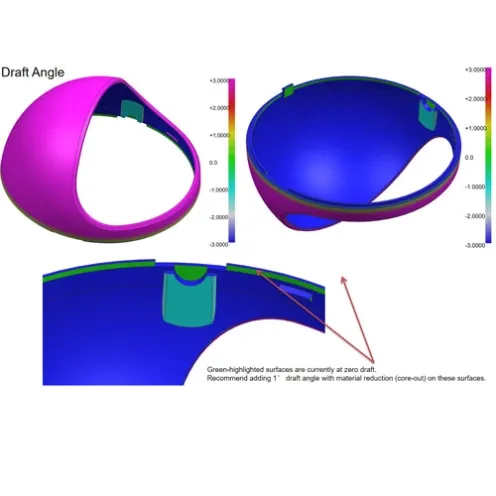
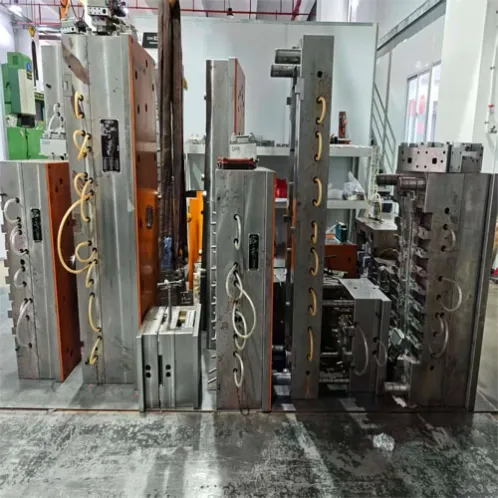
A real engineering RFQ shows why 2D drawings can start an injection molding review, but 3D CAD is often essential for reliable DFM, tooling and cost optimization.
Long PP parts can shrink tightly around the mold core. Learn why draft angle, shrinkage behavior, and ejection risk should be reviewed before steel cutting.

For large injection molds, split machining can help reduce deformation risk, improve machining stability, and protect cosmetic or functional product surfaces.

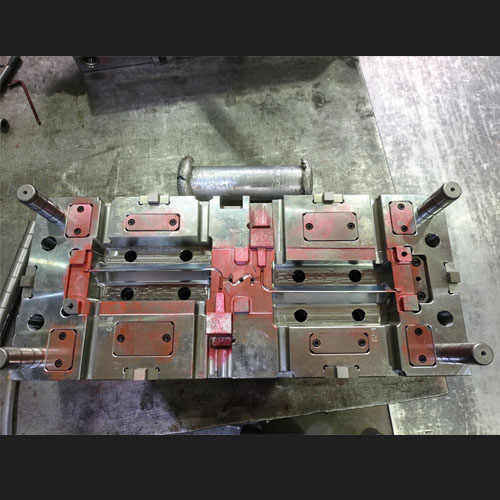
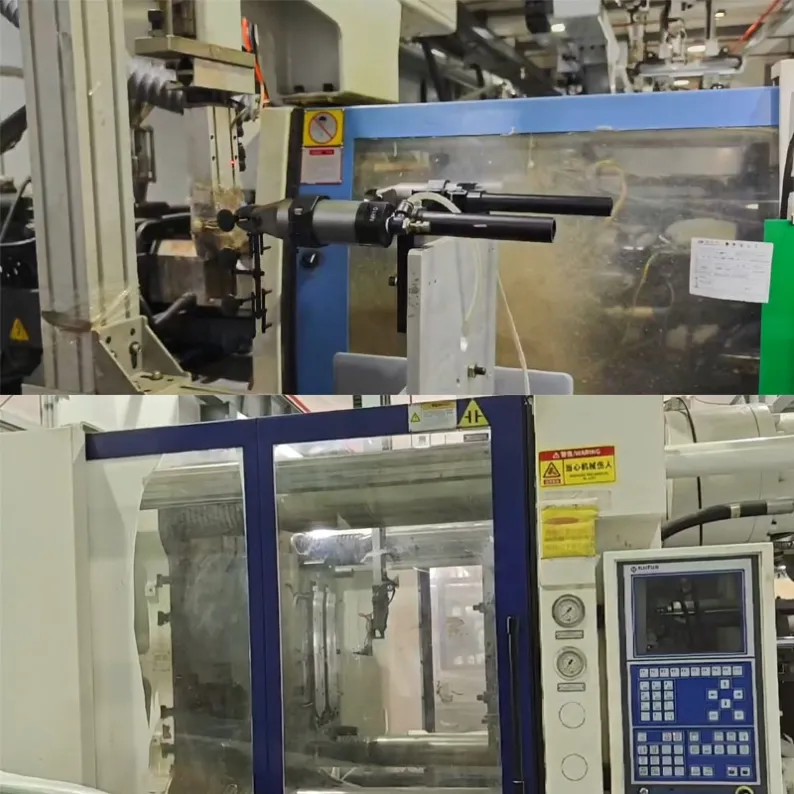
Review family mold part placement against the takeout sequence, gripping zones and movement space. Resolve robot and machine interfaces before layout release.

Why Beryllium Copper Inserts Are Used for Heat Dissipation in Injection Molds In precision injection molding, thermal management is often the difference between a stable production mold and a mold tha

When customers compare mold quotations, one common question is: Why does one supplier recommend P20, while another suggests H13, 1.2316, or S136? The answer is simple: Mold steel selection affects muc

A structured 7-step method for troubleshooting injection molding color deviation on the production floor — from standard verification to mold-level root cause analysis.

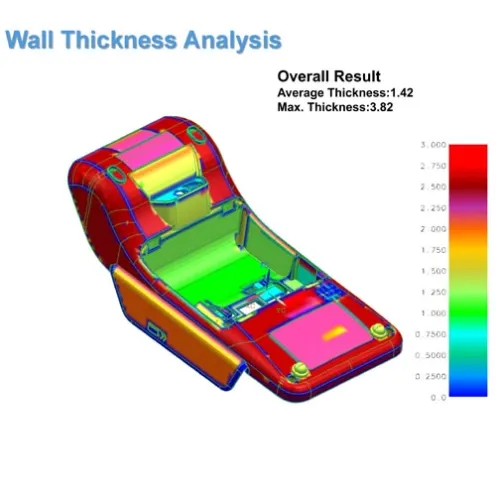
A PC/ABS housing DFM case showing why wall thickness, cooling, ribs, gate position, and ejection must be reviewed as one system to control warpage before steel cutting.

A heavy-duty nylon part used in a wet environment should not be treated as a simple "build the mold and test later" project. In this case, Jeancen helped an Australian hardware customer reduce materia

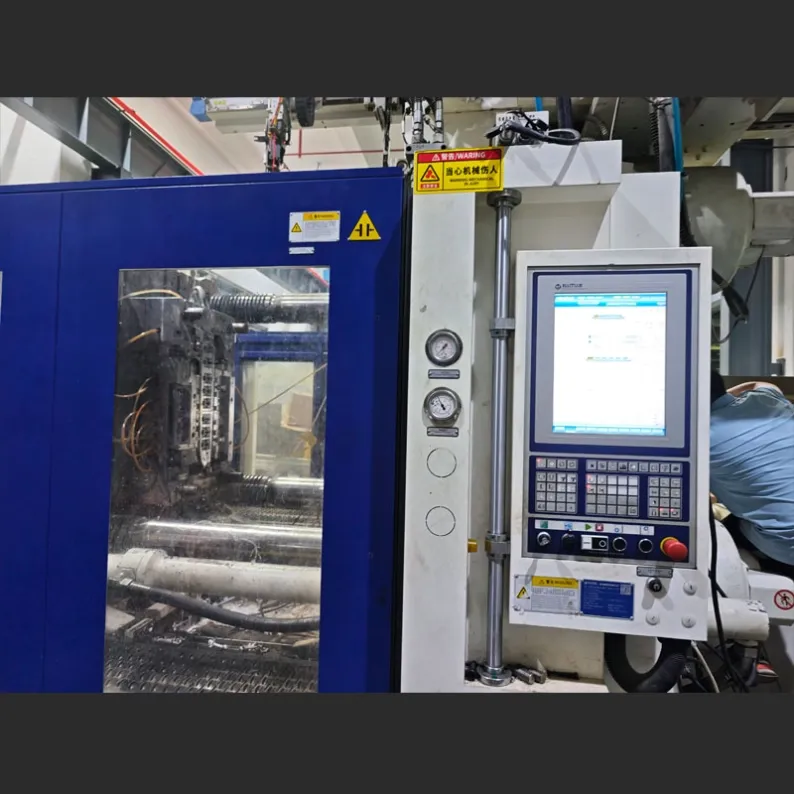
Compare injection mold quotes by checking cavity allocation, runner paths, release systems and machine assumptions, then clarify what each proposal includes.