Engineering Insights
Injection Mold Transfer Checklist: Before Moving an Existing Tool
Moving an existing mold? Align tool condition, records, samples, receiving inspection and trial approval before committing to a new production setup.
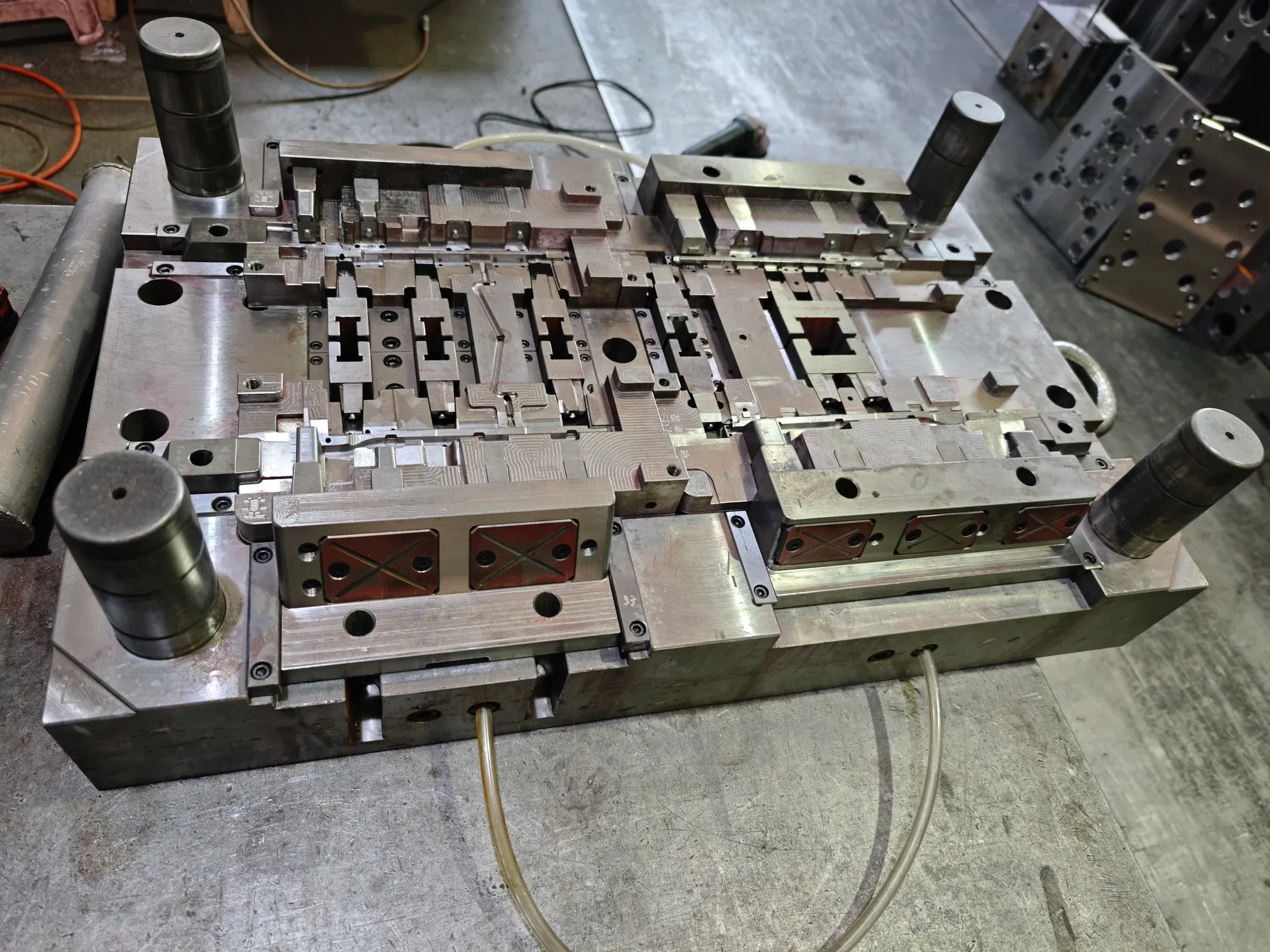
Your current supplier can release the mold, and another processor has offered to assess it. The shipment looks straightforward. What remains unclear is whether the receiving team will get the tool, records and reference parts needed to reproduce an acceptable result.
Before moving an existing injection mold, establish its identity, last accepted production condition, known problems and destination requirements. Then agree receiving inspection and trial scope. Physical receipt, permission to trial and approval for production are separate decisions.
This checklist is for purchasing and engineering teams changing suppliers or production locations. It also helps when you want an engineering review before deciding where the tool should run.
1. Match the physical mold to the approved product
Start with the mold identification, part numbers, cavity arrangement and current product revision. Check that the supplied drawings describe the tool as it exists, including modifications made after the original build.
Identify replaceable inserts, interchangeable versions and any cavities currently blocked or unavailable. A drawing for the original configuration can mislead a receiving team if production has changed since approval.
Ask the buyer and outgoing supplier to confirm release arrangements and which files, components and accessories may be supplied. Tool ownership, release permission and rights to share technical information need separate confirmation. These are project-specific commercial inputs; do not assume paying for the mold settles every issue.
2. Preserve the last accepted production baseline
Request the latest approved drawing, resin grade, color specification, inspection report and representative accepted samples. Connect them to a production date, tool configuration and process record wherever available.
Ask what “accepted” meant: drawing dimensions, cosmetic limits, assembly fit, functional tests or an agreed deviation. If a sample was approved despite a known issue, carry that qualification forward with it.
Include rejected examples or photographs where sharing is permitted. List recurring defects, intermittent problems and any sorting, trimming or manual adjustment needed to ship acceptable parts. Otherwise, the receiving team may mistake an inherited problem for transfer damage or a new process failure.
Historical settings are a starting reference. They require review for the destination equipment and material conditions. For the distinction between acceptable samples and repeatable output, see mold stability after T0.
3. Collect the maintenance and technical handover
Request maintenance and repair records, known wear, unresolved leaks, damaged components and the latest service condition. Include the available operating instructions, mold assembly drawings, component list, cooling layout and hot-runner documentation where applicable.
Make a release inventory covering the mold, loose inserts, spares, cables, controllers and other agreed accessories. State what belongs to the outgoing plant and will remain there. A tool photographed beside a controller does not establish that the controller is included.
Record missing information explicitly. If drawings or process records cannot be released, ask the receiving engineers what inspection or reconstruction work would be needed. Agree its scope before treating the transfer as ready to proceed.
4. Check the actual destination environment
Have the receiving processor compare the existing tool with the proposed press, installation arrangement, movements, controls and services. Use the actual equipment configuration. The detailed interface questions belong in the machine compatibility checklist.
Hot-runner connections deserve specific attention. A connector that appears to fit does not prove correct wiring or zone assignment. The Fast Heat CableXChecker operator’s manual hosted by DME discusses cable faults including incorrect zones and shorts. Arrange checks by qualified personnel using the actual system documentation.
List every proposed adapter, connection change or tooling modification. Record the engineering basis, approval needed and verification required afterward. Keep an unresolved interface visible rather than hiding it inside a general assurance that the plant can run the mold.
5. Agree receiving inspection and a defined trial
Before dispatch, agree how the tool will be prepared, protected and documented. At receipt, compare its identification, apparent condition and accessories with the release record. Record discrepancies before repair or modification makes their origin harder to establish.
The receiving engineers should determine the checks required before installation and trial. Receipt alone should not be recorded as acceptance of condition or production capability.
Define the trial objective, material, product revision, samples, measurements and reporting. Use the transferred baseline to compare dimensions, appearance and relevant function. Include repeatability evidence appropriate to the product risk; a few attractive samples cannot establish sustained production readiness.
6. Decide the next stage from recorded findings
Separate inherited defects, transport discrepancies, compatibility changes and newly observed issues. Assign investigation and approval responsibilities without deciding the cause before the evidence is available.
Agree who authorizes repairs, changes and additional trials. Update drawings and records after approved work. Keep receipt, trial findings, corrective work and production approval as separate milestones, each with its own evidence and remaining questions.
Questions buyers ask before a mold transfer
Can a transfer be assessed without complete mold drawings?
A preliminary discussion may still be possible. Identify what is available and what is missing. The receiving team must decide whether further inspection or documentation is needed before giving a meaningful technical assessment or accepting work.
Will changing suppliers fix the existing quality problem?
That remains unverified until the cause is investigated. Carry the defect history and relevant samples into the review. Tool condition, material, process and acceptance criteria may all need examination before a corrective path can be agreed.
Should we change the resin during the transfer?
If a change is proposed, identify it separately and agree how it will be evaluated. Otherwise, differences in results may be difficult to attribute to the transfer, the material or both. Preserve the previous accepted condition as a reference where available.
Discuss the review path before arranging shipment
Jeancen Mold supports engineering and DFM review, mold design and manufacturing, T0/T1 coordination and injection molding support. Suitability for a particular existing tool requires review of its condition, documentation and intended use.
Request a project review with a nonconfidential overview you are authorized to share: part application and resin, current tool location, intended destination, main problem and available records. Discuss the feasible review path, NDA and secure sharing method before providing confidential files.