Engineering Insights
Recycled PP in Injection Molding: What Buyers Should Validate Before Approval
Recycled PP is not a single, interchangeable grade. Define the proposed compound, protect critical part requirements and set application-specific validation before approval.
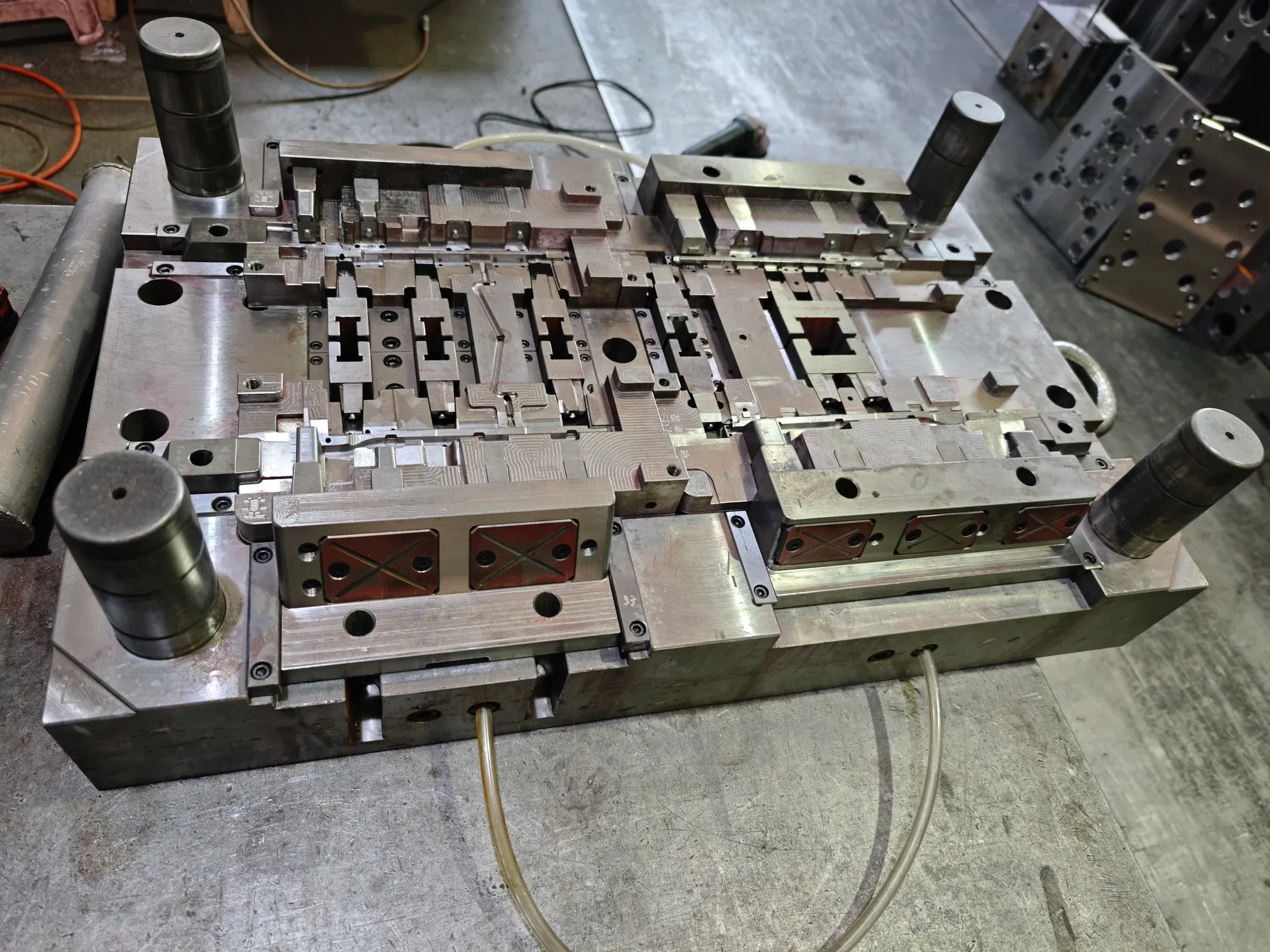
A recycled polypropylene label does not tell a buyer whether a molded part will still fit, function or remain within its agreed requirements. “Recycled PP” can describe different compounds, feedstock routes, recycled-content levels, fillers, additives and supply controls. For an existing part, the useful question is not whether recycled PP is always acceptable. It is whether the exact proposed compound can meet this part’s defined requirements under an agreed production and verification plan.
Recycled PP is a specific material proposal, not a universal category
Research supports a project-specific decision. A 2024 study of pre-sorted polypropylene waste bales found differences in contamination and grade composition across the sampled feedstocks and sampling periods. That study examined waste bales entering recycling; it does not show that every finished recycled PP compound or every supplier lot behaves the same way. It does show why buyers should ask how a proposed compound is made, specified and controlled. Read the study on PP waste-bale composition.
The evidence is not one-sided. A study of one industrial component compared a specific post-industrial recycled PP compound containing talc with its virgin-material counterpart. The authors reported that the recycled grade met the studied component’s dimensional and process-capability requirements under their test conditions. This is evidence that a recycled PP grade can be suitable for a defined application; it is not approval for another part, grade or production supply. Read the industrial-component study.
Together, these studies rule out two shortcuts: rejecting every recycled PP proposal without evaluating its evidence, and treating a broad material label as proof of equivalence.
1. Freeze the part requirements and the comparison baseline
Start with the controlled drawing revision and identify the features that determine acceptance. These may include dimensions that affect mating parts, snap or fastening behavior, sealing, load or impact requirements, appearance, color, or performance after exposure to heat, chemicals or moisture. Include only conditions that actually matter to the application, and state how each will be measured or judged.
Record the currently approved resin grade and the sample or production condition that represents the baseline. Keep the part revision, mold cavity, measurement method and conditioning state visible in the comparison. If the existing acceptance requirements are unclear, agree on them before judging a material change. A sample that looks acceptable at room temperature may not answer an assembly or use-condition question.
If the resin change is being considered before tooling decisions are fixed, review the broader part and mold implications in the injection-molding DFM guide. This article focuses on qualifying a proposed recycled PP compound for a defined molded-part application.
2. Define the exact recycled compound
Ask the material supplier for the commercial grade and manufacturer, polymer type, recycled-content claim and its basis, post-industrial or post-consumer source where disclosed, filler or reinforcement, additives, pigment, and the current technical data sheet. Request the lot identification and certificate information that will accompany production material. Clarify which material changes require notice or renewed approval.
Melt-flow rate can help describe flow under a specified test method and condition. Treat it as one material input, not a stand-alone proof that a recycled compound is equivalent to the approved resin. A matching flow value does not establish the required part strength, appearance, dimensional behavior, assembly performance or lot-to-lot control. Compare the supplier’s data against the actual functions and risks identified for the part.
Do not approve an undefined blend or an unrestricted percentage range when the production plan requires a controlled material. If the supplier proposes a recycled-content range, clarify what will be declared for each lot and how the range will be maintained. If a formulation, source or filler can change, define who must review that change and what evidence is needed before it reaches production.
3. Choose validation tests that match the part’s function
The validation plan should answer the buyer’s open decision, not merely generate more measurements. For a fit-critical part, compare the relevant dimensions and assembly behavior. If the component carries load or is exposed to impact, heat, chemicals or moisture, select the agreed test that represents that use. For a cosmetic surface, define the actual color and appearance criteria. A visual review alone cannot confirm a hidden mechanical or dimensional requirement.
Use representative molded samples made from the exact candidate grade. Record the resin lot, part revision, cavity, processing conditions and sample condition. Where supply variation is part of the risk, decide whether one lot is enough for the intended approval or whether later lots need verification. The required sample quantity and test method should come from the project’s risk and acceptance criteria; there is no universal number for every PP part.
Compare the candidate with the current approved baseline using the same measurement approach wherever practical. Separate material changes from simultaneous mold, machine, process or design changes. If several inputs change together, the result may not show which change affected the outcome.
4. Approve a defined scope and keep material traceability
A useful decision records the exact part revision, proposed resin grade, supplier, recycled-content specification, applicable cavities or production scope, requirements checked, results and open actions. State whether approval is conditional, limited to a specific source or lot, or ready for broader production. Define how incoming lots will be identified and what change requires review.
A successful trial on one compound and one part does not automatically approve every recycled PP grade. Likewise, a material change does not automatically require a new mold. The decision depends on the evidence for the part’s function, the candidate compound and the conditions in which samples were produced and evaluated. If evidence is missing, keep the item open and agree on the next check before expanding approval.
Questions buyers ask before approving recycled PP
Can recycled PP run in an existing injection mold?
It may be possible, but the material label alone cannot establish compatibility. Review the exact compound against the part requirements, then agree on the sample and production evidence needed for that application. Do not assume the existing process or mold settings can be carried over without review.
Is a matching melt-flow rate enough to approve a substitute?
No. It is a useful, method-dependent material data point, but it does not establish dimensional, mechanical, appearance or supply equivalence. Check the grade documentation and test the requirements that matter to the part.
Is recycled PP always less dimensionally stable than virgin PP?
No universal conclusion follows from the label. The cited industrial-component study reported acceptable results for one tested recycled PP compound in one defined application. Other grades, parts, process conditions and use environments need their own evidence.
What should I prepare for an initial engineering review?
Share a non-confidential project description, the current and proposed resin grades, available supplier data, the part revision, critical dimensions or functions, assembly interfaces and the conditions the part must withstand. If the detailed files are confidential, agree on permission and secure sharing or an NDA before sending them.
If you are evaluating recycled PP for an existing molded part, Jeancen Mold can discuss the project’s engineering-review scope based on the available material and part requirements. Start with a non-confidential summary through the project inquiry page; do not post confidential CAD or customer information in a public message.